Colorectal Cancer Awareness: How Diet and Prepared Meals Can Support Colon Health
By Lizzie Streit, MS, RDN, LD
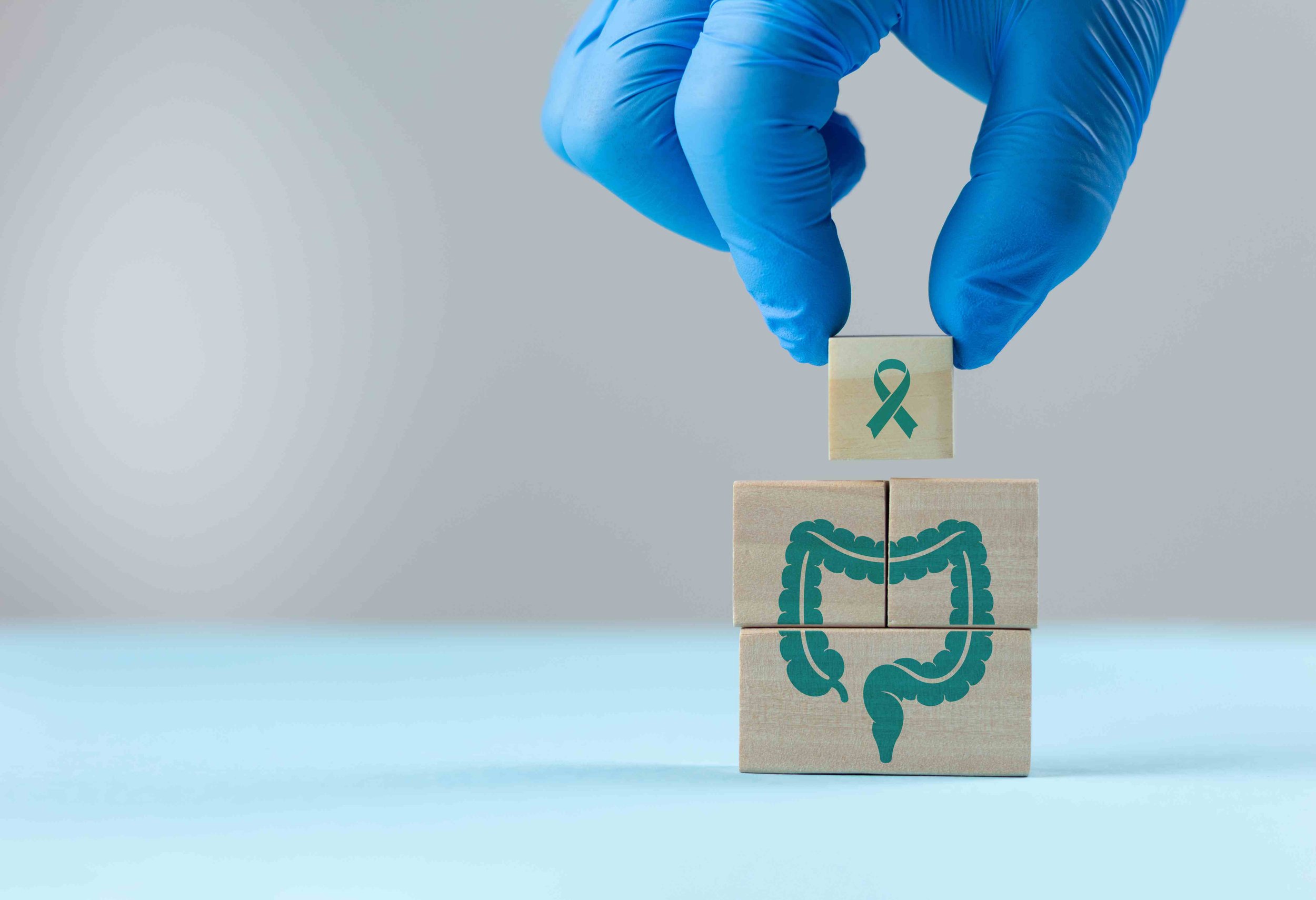
Rates of colorectal cancer in people under the age of 50 are on the rise, leading to increased interest in causes and prevention. Since March is colorectal cancer awareness month, it’s an ideal time to discuss the relationship between colon health, diet, and lifestyle.
The causes of colorectal cancer remain unknown, but researchers have identified risk factors for the disease that include dietary habits. This article reviews the uptick in cases among young adults, the link between colon health and diet, and tips for keeping your colon healthy.
Colorectal Cancer Incidence
The increased incidence of colorectal cancer in young people has been covered more often in the media over the past several years, in part due to the death of multiple celebrities from the disease. While fewer older adults are getting and dying from colorectal cancer, incidence rates in people under the age of 50 have almost doubled over the past 30 years. As a result of this concerning trend, screening for colorectal cancer is now recommended at 45 years of age for most people.
While reasons behind the rise in early onset colorectal cancer aren’t fully understood, researchers have a few ideas. In addition to aging, family history, inflammatory bowel disease, and some genetic conditions, lifestyle factors appear to play a role. A diet low in fiber and fruits and vegetables and high in fat and processed meats is considered a risk factor for colorectal cancer in both younger and older adults. Other risk factors include obesity, metabolic syndrome, sedentary behavior, and regular alcohol use.
Emerging research suggests additional factors that may contribute to early onset colorectal cancer. These include sugar-sweetened beverage consumption during adolescence and decreased diversity of gut bacteria. Certain gut bacteria, potentially fueled by an unhealthy diet, environmental exposures, and/or food additives, may contribute to cancer growth. However, more studies are needed to fully understand the effect and variety of diet- and gut-related influences.
Tips for a Healthy Colon
While there is no magical solution to prevent or cure colorectal cancer, there are many habits you can adopt to keep your colon healthy.
Here are some top tips related to diet and lifestyle changes:
· Fill up on fiber. Fiber provides fuel for beneficial gut bacteria, is found in foods that contain antioxidant compounds that protect against disease, and may have additional effects in the body that hinder cancer development. The best sources of dietary fiber are whole plant foods, including fruits, vegetables, nuts, seeds, and whole grains. To add more fiber to your 1200 calorie meal plan, eat oatmeal with fruit and milled flaxseed for breakfast, add a side salad to lunch, snack on veggies and hummus, and serve a whole grain and vegetable with dinner. When in doubt, add a plant to your plate. Be sure to drink enough water throughout the day to keep fiber moving through your body and prevent gas or constipation.
· Choose anti-inflammatory foods. Chronic inflammation in the body has been associated with an assortment of diseases, including cancers. Diets that incorporate anti-inflammatory foods and limit refined carbohydrates, animal fats, sugar, and salt that may promote inflammation are associated with a lower risk of colorectal cancer. Anti-inflammatory eating patterns, such as the Mediterranean Diet, tend to emphasize fiber, polyunsaturated fatty acids (especially omega-3s), vitamins, minerals, and antioxidant compounds. These nutrients can be found in fatty fish, fruits, vegetables, legumes, nuts, seeds, extra virgin olive oil, and whole grains.
· Maintain a healthy weight. Losing weight if you need to can keep your colon healthy and may reduce the risk of developing colorectal cancer. Eating fewer calories than you burn via a healthy, balanced diet and engaging in regular physical activity are good ways to get started. If you need assistance, speak with your doctor and/or a registered dietitian about options. Healthy diet meal delivery may also be helpful for your weight loss journey.
· Get moving. Exercise comes with loads of health benefits. Not only does it provide a mental boost, it may decrease your chances of getting certain cancers. For best results, aim for 30 minutes of activity per day and incorporate both cardio and resistance training. Try brisk walks, jogging, cycling, dancing, weight lifting, Pilates, or barre classes, and don’t be afraid to try multiple options before settling on what’s best for you. When you find an exercise you love, you’ll be more likely to stick with it!
· Choose healthy fats. A diet low in animal fats is often recommended for colon health. While some saturated fat consumption isn’t harmful, it’s easy to overdo it when eating a typical American diet. Choose mostly unsaturated fat from fatty fish, nuts and seeds, avocados, and extra virgin olive oil, and cut back on butter, bacon, fried foods, greasy fast food, and fatty cuts of red meat. Consider using an air fryer to prepare foods to further reduce fat consumption.
· Limit alcohol use. While there is no specific guideline on alcohol consumption and colorectal cancer risk, limiting alcohol overall is recommended. If you drink, do so in moderation, which is typically defined as no more than one standard drink per day for women or two standard drinks per day for men. Restricting consumption to less than these amounts may be even more beneficial.
Following the above tips can be helpful for optimizing colon health and potentially reducing your risk of colorectal cancer. Additionally, it’s recommended to get screened for colorectal cancer beginning at age 45 (or younger if you are at increased risk). Be sure to discuss your plan with your provider and ask for any other advice that may not be included here.
Note from Healthy For Life Meals: While there is no guaranteed way to prevent colorectal cancer, research continues to show that long-term eating patterns matter.
Healthy For Life Meals makes it easier to follow a high-fiber, anti-inflammatory eating pattern without the stress of planning, shopping, and cooking. Our prepared meals are designed to emphasize whole foods, balanced portions, and consistent nutrition — making it simpler to support colon health week after week.
If you’re focused on prevention, digestive health, or building more consistent healthy habits, choosing fully prepared, nutritious meals can remove barriers and help you stay aligned with your goals. Place your first order today and get $20 off with code: TryHFLM.