Foods That Were Once Bad But Now Aren't
By Lizzie Streit, MS, RDN, LD
Reading nutrition headlines can sometimes feel like whiplash. One day, eggs are a superfood, only to be labeled unhealthy the next. That's why it can feel so confusing — not to mention exhausting — to figure out what to eat. And even once you do figure it out, applying it consistently in the middle of a busy week is a different challenge entirely.
In reality, nutrition science is much more nuanced than catchy headlines will lead you to believe. Individual foods will not make or break your health. Instead, overall eating patterns have a bigger impact on health outcomes. Keep reading for a list of foods sometimes labeled as "bad" that can actually fit well into a balanced, 1200-calorie diet — and a honest look at why knowing that doesn't always make dinner easier.
Breads and Pasta Oversized portions of breads and pasta may contribute to weight gain and poor blood sugar control, but they aren't inherently "bad" when included in balanced meals. The key is to prepare appropriate serving sizes, choose whole grain options when possible, and pair these foods with lean proteins and vegetables. In this context, bread and pasta provide energy and fiber. The tricky part? Eyeballing a proper portion, remembering to add the right protein, and doing that consistently — night after night — is harder than it sounds.
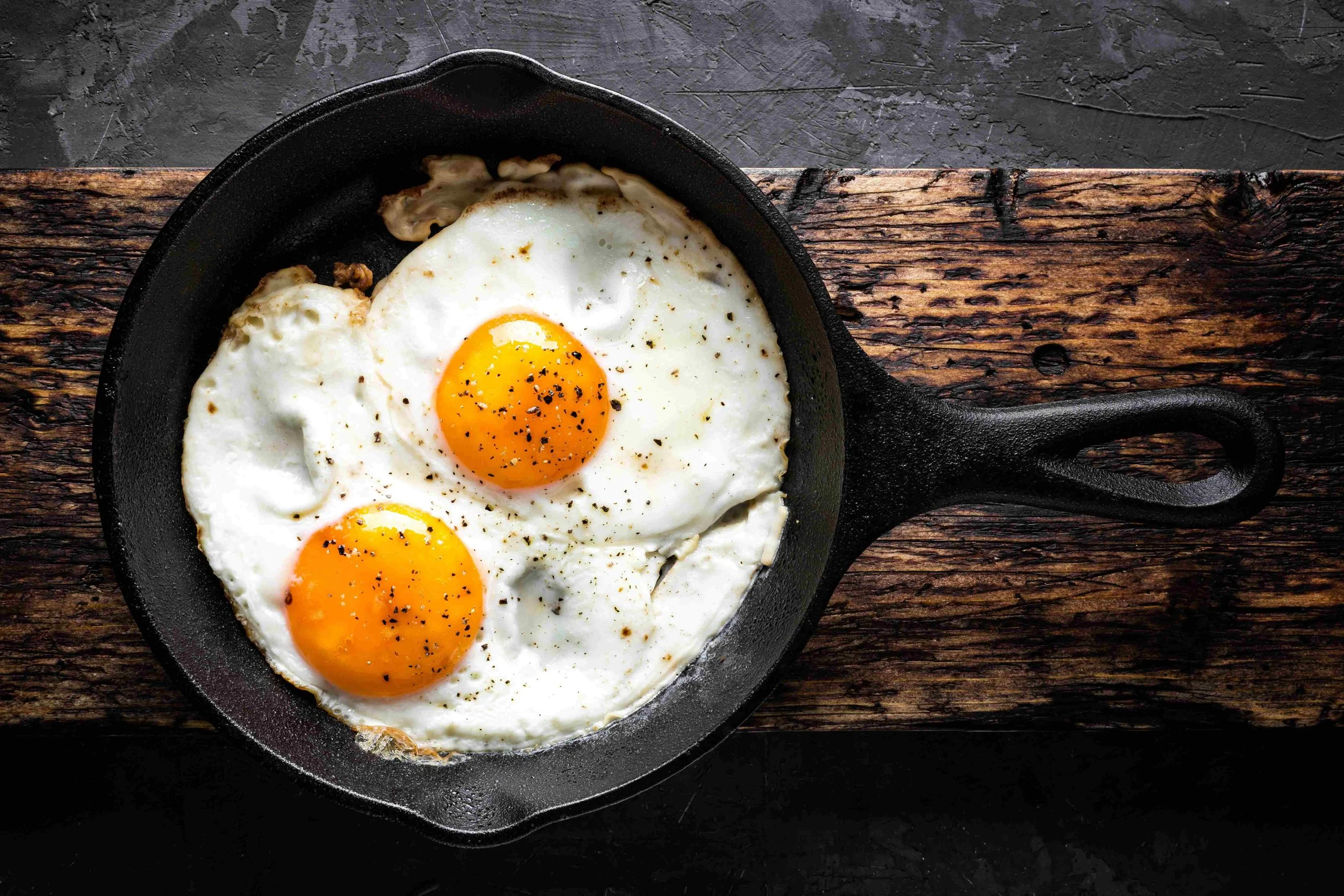
Eggs and Egg Yolks In the past, the high cholesterol content of eggs and egg yolks was associated with high blood levels of cholesterol and a subsequent increased risk of heart disease. Nutrition science on this topic has evolved over the years, now suggesting that saturated fat intake and overall diet may affect blood cholesterol more than eating cholesterol from eggs. In fact, eggs are a protein source that's quick, affordable, and full of additional nutrients. Still, knowing the science doesn't automatically translate into balanced meals — especially when you're tired and a bowl of cereal sounds a lot easier.
Potatoes Potatoes are often called out for their high carbohydrate content and even referred to as "bad" simply because they are white, just like bread and pasta. In reality, they provide potassium, vitamin C, and quick energy. When enjoyed with protein, healthy fats, and vegetables, they're an easy way to round out a balanced meal. The catch is that "enjoyed with protein, healthy fats, and vegetables" requires having all of those things on hand, prepped, and proportioned correctly — on a Tuesday night when you've already had a long day.
Fruit Fruit contains sugar, leading some people to lump it in the same category as sweet treats and soda. However, fruit has natural sugar that comes with fiber and plenty of vitamins, minerals, and antioxidants. While natural sugar does increase blood sugar, it does not behave in the same way as added sugar in the body. Pairing fruit with a source of protein and/or healthy fat is a great way to take advantage of its benefits while keeping blood sugar in a healthy range. Simple in theory — but easy to skip when you're grabbing something on the go and not thinking about balance.
Peanut Butter Since peanuts are high in fat, peanut butter is calorie-dense and sometimes shunned by those promoting weight loss or low-fat diets. As with many foods, portion size matters when it comes to peanut butter. Enjoying an appropriate serving size is a tasty way to add protein and healthy fat to a meal or snack. The challenge is that "appropriate serving size" requires a measuring spoon, a little intention, and a habit most people haven't built — especially when it's easy to eat straight from the jar.
Coffee Coffee has been the topic of contradictory headlines for years. In reality, it's high in antioxidants, and research suggests regular consumption may be associated with a lower risk of some chronic diseases. However, drinking too much coffee and/or loading it up with sugar and syrups takes away from its benefits. For a better option, stick with black coffee or a splash of cream. This one, at least, is an easy swap most people can make without much effort.
Now that you know how these foods can fit into a balanced diet, here's the honest truth: knowledge is the easy part. Most people aren't eating poorly because they don't know that potatoes need protein or that peanut butter portions matter. They're eating poorly because planning, shopping, prepping, and portioning correctly — every single day — takes more time and mental energy than most people have to spare. Decision fatigue is real, and at the end of a long day, good intentions often lose to whatever's fastest.
That's exactly the gap that Healthy For Life Meals was designed to fill. Every meal is built by nutrition experts to pair the right proteins, carbs, and fats in the right portions — so you don't have to think about it. You already know what balanced eating looks like. We just make it effortless to actually do it. Browse our menu here.