High Protein Everything: How Much Protein Do You Actually Need?
By Lizzie Streit, MS, RDN, LD
If you’re starting to think that everything has extra protein these days, you’re not just imagining it. The high-protein craze has infiltrated almost every corner of the food industry, with added protein popping up in cereal, ice cream, mac and cheese, sparkling water, and even coffee.
With so much noise about protein, you may be wondering how much of this nutrient you really need and what to consider when choosing foods with added protein. Keep reading to learn the latest about the protein craze and how to make informed choices to fit into your 1200 calorie meal plan.
What’s Driving the Protein Craze
There are several factors behind the heightened interest in protein in today’s food landscape. More and more consumers are using glucagon-like peptide-1 (GLP-1) agonist medicines, driving a demand for protein-rich foods that are satiating and help maintain muscle mass in the face of reduced appetite and fat loss.
In addition, many people want convenience when it comes to meals and snacks. Packaged foods with extra protein may be seen as more filling and nutritionally balanced, making them easy options that also help you meet your needs.
While it can be tempting to join in on the “protein maxing” trend, most people who eat a balanced diet meet their protein needs just fine. Getting enough protein is important, especially for older adults, pregnant women, athletes, and those on GLP-1 medications, but focusing too much on high-protein foods can throw your diet out of balance. Plus, many of these foods are ultra-processed and may include unhealthy additives or too much sugar, salt, or fat.
What to Eat to Meet Your Needs
Current recommendations from the National Academies of Sciences suggest that most people need 10 to 35% of daily calories from protein. Including a source of protein about the size of a deck of cards or that takes up at least a quarter of your plate alongside vegetables, fiber-rich carbohydrates, and healthy fats is key to getting enough protein and other essential nutrients. Healthy For Life Meals meet these protein recommendations.
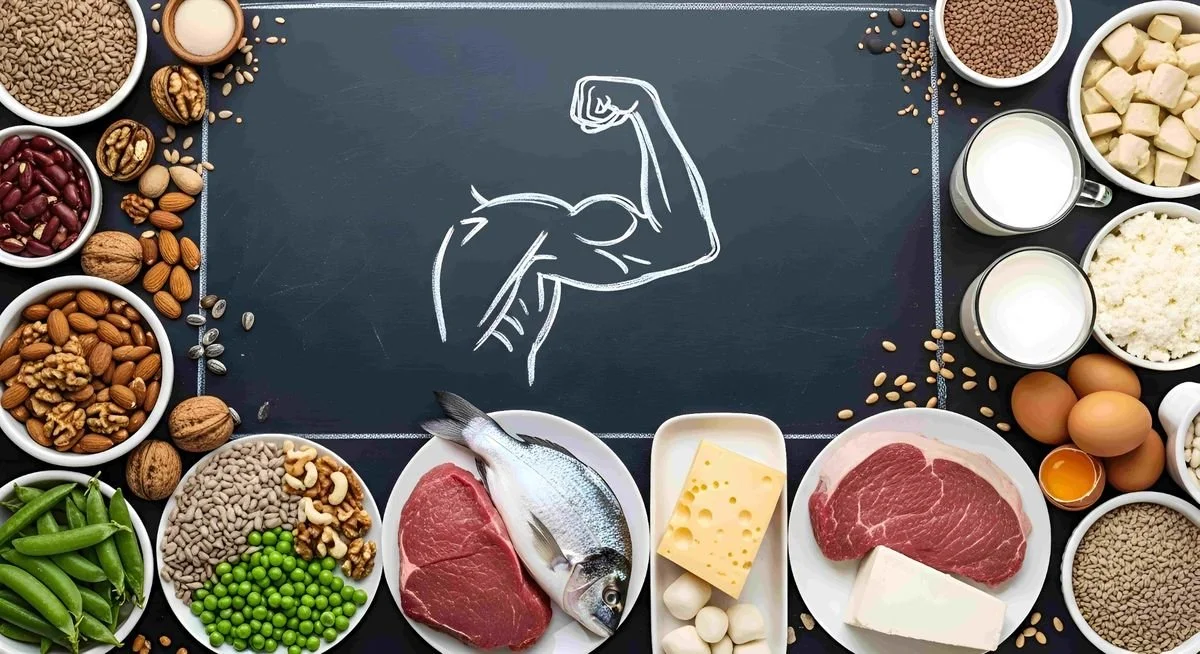
Whole food sources of protein are generally better options than ultra-processed foods with added protein, but some high-protein packaged foods can be incorporated into a balanced diet. Aim to get most of your protein from chicken breasts, eggs, ground beef, Greek yogurt, cottage cheese, lean cuts of pork, fish, tofu, and beans.
If you want to incorporate packaged foods to help you meet your needs, follow these tips:
· Consider the ingredients first. Choose options that include protein from whole foods, such as eggs/egg whites, beans and lentils, nuts/nut butters, and Greek yogurt, instead of protein isolates, since they contain additional nutrients (and fiber, in the case of plant-based options) that have been removed from isolates.
· Check the protein amount. Even if a food is labeled as high-protein, it may not provide a significant amount. Choose meals with 15 to 25 grams of protein and snacks with 5 to 10 grams.
· Scan for sugar and salt. Some high-protein products can also be high in added sugars and sodium. Look for options that have minimal (a few grams) or no added sugar and less than 300 to 400 mg of sodium for snacks. Some foods may appear to be low in sugar but still use sugar alcohols, which may cause digestive issues.
Note from Healthy For Life Meals: Skip the confusion around high-protein trends. Our chef-prepared meals are designed to deliver the right balance of protein, fiber, and healthy fats—perfect for weight loss, GLP-1 support, and busy lifestyles. 👉 Get started with Healthy For Life Meals today
FAQs About High Protein Diets
How much protein do I need per day?
Most people need 10–35% of calories from protein, depending on age, activity, and goals.
Is a high-protein diet good for weight loss?
Protein can help with fullness and muscle retention, which may support weight loss—especially when paired with a balanced diet.
Do I need high-protein snacks?
Not necessarily. Whole meals often provide enough protein, but snacks can help if you have higher needs.
Are high-protein packaged foods healthy?
Some are, but many are ultra-processed. Always check ingredients, sugar, and sodium.