
Medicare Just Made GLP-1 Medications Affordable for Millions. Here's What That Means for What You Eat.
By Stephanie Keegan, Founder & CEO, Healthy For Life Meals
If you've been watching GLP-1 medications from the sidelines — curious, maybe interested, but stopped by the cost — that just changed.
On May 6, 2026, the Centers for Medicare & Medicaid Services (CMS) announced the Medicare GLP-1 Bridge program: starting July 1, 2026, eligible Medicare Part D beneficiaries can access GLP-1 weight loss medications like Wegovy and Zepbound for just $50 per month. The program runs through December 31, 2027.
For context, these medications have been running anywhere from $149 to over $1,300 per month out of pocket. The $50 price point is a genuine game changer for a lot of people.
You can read the full CMS announcement here.
Who Qualifies?
To be eligible for the Medicare GLP-1 Bridge, you need to:
Be enrolled in a Medicare Part D prescription drug plan
Have a BMI of 27 or higher
Have at least one qualifying condition such as heart disease, prediabetes, or another weight-related health condition
Talk to your doctor or visit Medicare.gov to find out if you qualify — that part is between you and your healthcare provider.
But once you know you're eligible? That's where the food side of this equation comes in.
The Part Most People Don't Plan For
Here's what 25 years of working with people on structured nutrition has taught me: the medication is only part of the equation.
GLP-1 medications work by slowing gastric emptying and reducing appetite. That's what makes them effective — but it also creates a nutritional challenge that catches a lot of people off guard.
When your appetite drops significantly, it becomes very easy to:
Not eat enough protein — which leads to muscle loss alongside fat loss
Skip meals entirely — which sounds fine until fatigue and brain fog set in
Rely on whatever's easy — which is rarely what your body actually needs
The research is clear: people who pair GLP-1 medications with protein-forward, portion-appropriate eating preserve more lean muscle, experience fewer side effects, and maintain their results longer. The medication changes how much you want to eat. It doesn't change how important nutrition is.
What "Eating Well on a GLP-1" Actually Looks Like
After working with hundreds of GLP-1 users over the past several years, here's what we see working consistently:
Prioritize protein at every meal. Most GLP-1 users should aim for 25–30 grams of protein per meal. When appetite is suppressed, every bite counts — protein needs to come first.
Keep portions right-sized, not tiny. There's a difference between eating less and eating too little. Meals should be satisfying and nutritionally complete, just appropriately sized for a reduced appetite.
Don't skip meals. It's tempting when you're not hungry, but skipping meals leads to nutrient gaps and energy crashes that make the whole experience harder than it needs to be.
Make it easy. Decision fatigue is real. The harder it is to figure out what to eat, the more likely you are to make choices that don't support your goals — or not eat at all.
This Is Exactly What We're Built For
Healthy for Life Meals has been designing meals around these principles for 25 years — long before GLP-1 medications were household names.
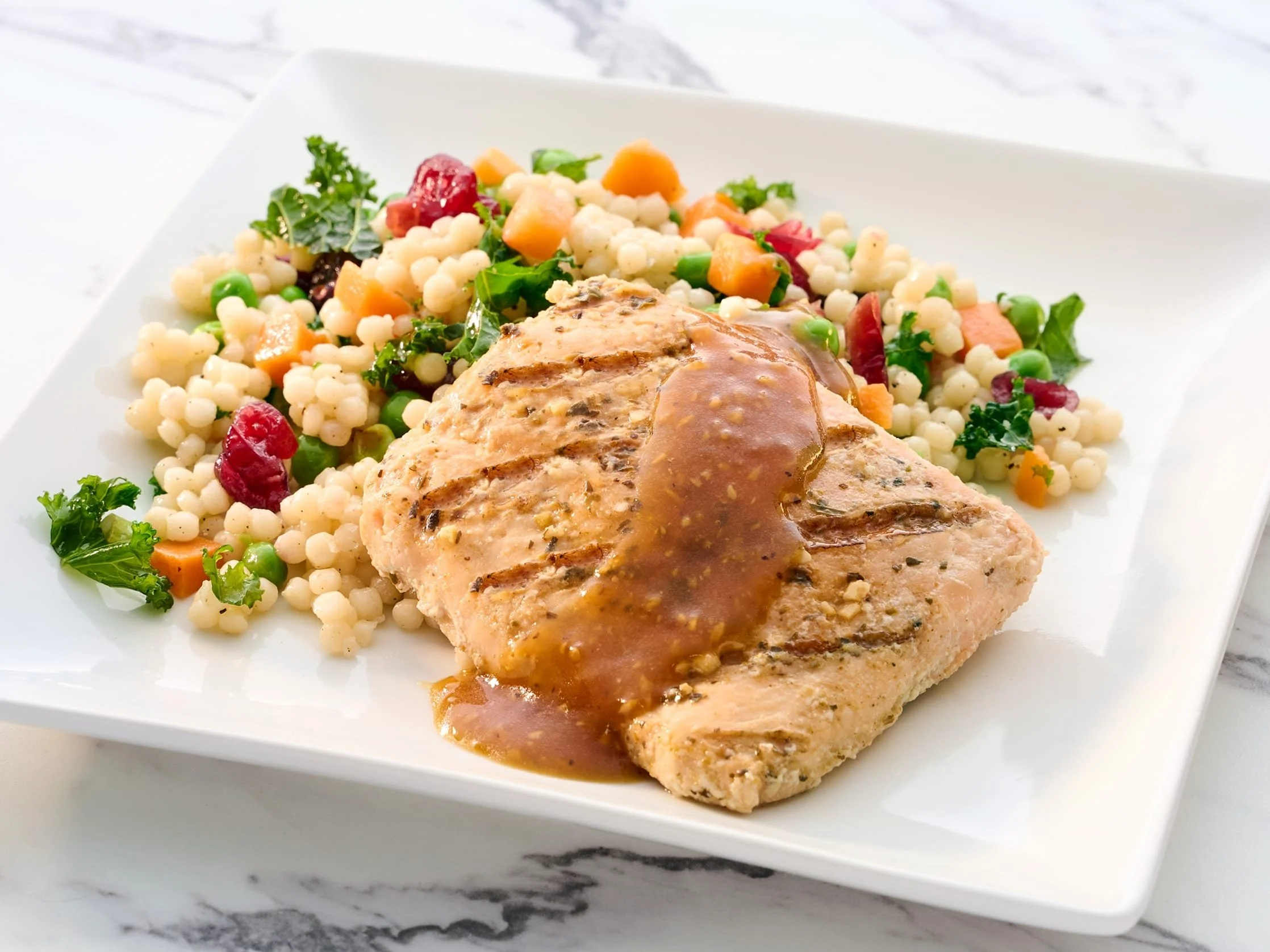
Our meals are protein-forward, portion-controlled, nutritionally balanced, and fully prepared. No cooking, no tracking, no guesswork. You open it, you eat it, and you know you've fueled your body the right way.
For GLP-1 users specifically, we recommend our 1,200 Calorie Traditional Plan — designed with the reduced appetite and elevated protein needs of GLP-1 users in mind.
We deliver to Minnesota, Wisconsin, North and South Dakota, Iowa, Illinois, Nebraska, and the Kansas City metro area.
The Bottom Line
July 1 is coming fast. If you or someone you care about is Medicare-eligible and has been considering a GLP-1 medication, now is the time to have that conversation with your doctor.
And when you're ready to think about the food side — we're here.
Healthy for Life Meals is a prepared meal delivery service, not a medical provider. Always consult your physician before starting any new medication or nutrition program.