
National Dental Hygiene Month: What Foods Are Best for Your Teeth?
By Lizzie Streit, MS, RDN, LD
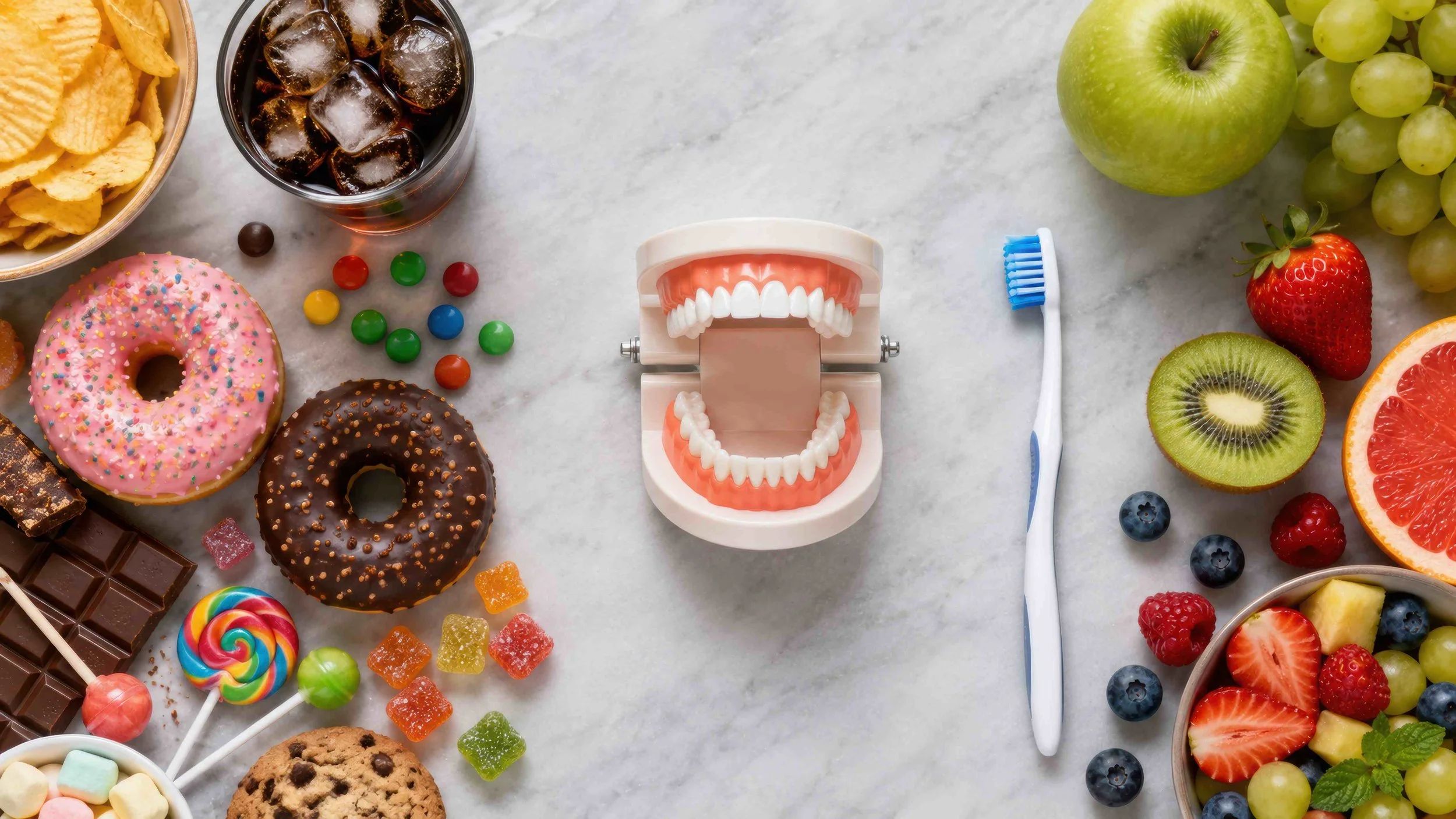
Everyone knows brushing and flossing are good for your teeth, but what’s on your plate matters too! October is National Dental Hygiene Month, making it a good opportunity to highlight the nutrition side of oral health.
According to the American Dental Association, diet can affect tooth decay and enamel erosion. Certain foods may contribute to stronger teeth, while others may accelerate erosion and cavities.
However, there’s no need to follow a special dental health diet. Ordinary foods that fit into a balanced diet and support overall health are also beneficial for your teeth and mouth. Plus, Healthy For Life Meals incorporate these foods into our healthy diet meal delivery. Keep reading to learn the top nutrition tips for good oral health.
1 - Incorporate calcium-rich dairy foods.
Dairy products, including milk, cheese, and yogurt, provide calcium and phosphorus. These minerals are essential for building healthy bones and teeth, and consuming foods with them prevents demineralization and promotes remineralization of teeth. Studies suggest that eating cheese, in particular, may help prevent dental caries.
Enjoy milk on its own or incorporated into smoothies, eat Greek yogurt for a snack, and sprinkle cheese on salads and bowls. If you’re watching overall calorie intake, choose low-fat and non-fat varieties.
2 - Don’t overlook what you’re drinking.
Sugar-sweetened beverages contain fermentable carbohydrates that can drive the creation of dental caries. Sugars lead to acid production and lower the pH in your mouth, which contributes to enamel erosion. Plus, harmful bacteria feed on sugars.
Water is almost always the best beverage choice! It’s naturally sugar-free and helps you stay hydrated and energized. If you drink tea or coffee, try to avoid adding sugar to or consuming too much of these drinks. Coffee may contribute to teeth staining and enamel erosion due to its acidic pH.
3 - Limit exposure to sugary foods.
Foods that are high in sugar affect teeth and contribute to cavities in the same way as sugar-sweetened beverages. Limit candy, cookies, cakes, ice cream, and other sweet treats. If you want to incorporate an occasional treat into your diet, enjoy it in a single sitting instead of grazing on sweets throughout the day and repeatedly exposing your teeth to sugar.
Fruits and other foods that contain natural sugar, especially citrus fruits, can be acidic and provide carbohydrates that feed harmful bacteria. However, they also contain many beneficial nutrients and can be paired with foods that don’t promote tooth decay to balance out their effects.
4 - Eat protein-rich foods.
Many foods that are good sources of protein and healthy fat, such as meat, fish, eggs, beans, nuts, avocados, and olive oil, do not expose teeth to free sugars that contribute to cavities and poor oral health. Incorporating these foods into your diet, especially alongside foods that provide carbohydrates, can help you eat more balanced meals that contribute to overall and dental health.
Good nutrition benefits more than just your waistline — it supports your health from head to toe, including your teeth and gums! At Healthy For Life Meals, we take the guesswork out of eating well with delicious, nutritionally balanced, portion-controlled meals made with quality ingredients.
Ready to make healthy eating easier? Explore our meal plans and see what's on the menu this week!