
Ultraprocessed Foods Now Make Up Over 50% of Our Calories — Here’s What That Means for Your Health
By: Healthy For Life Meals Nutrition Team
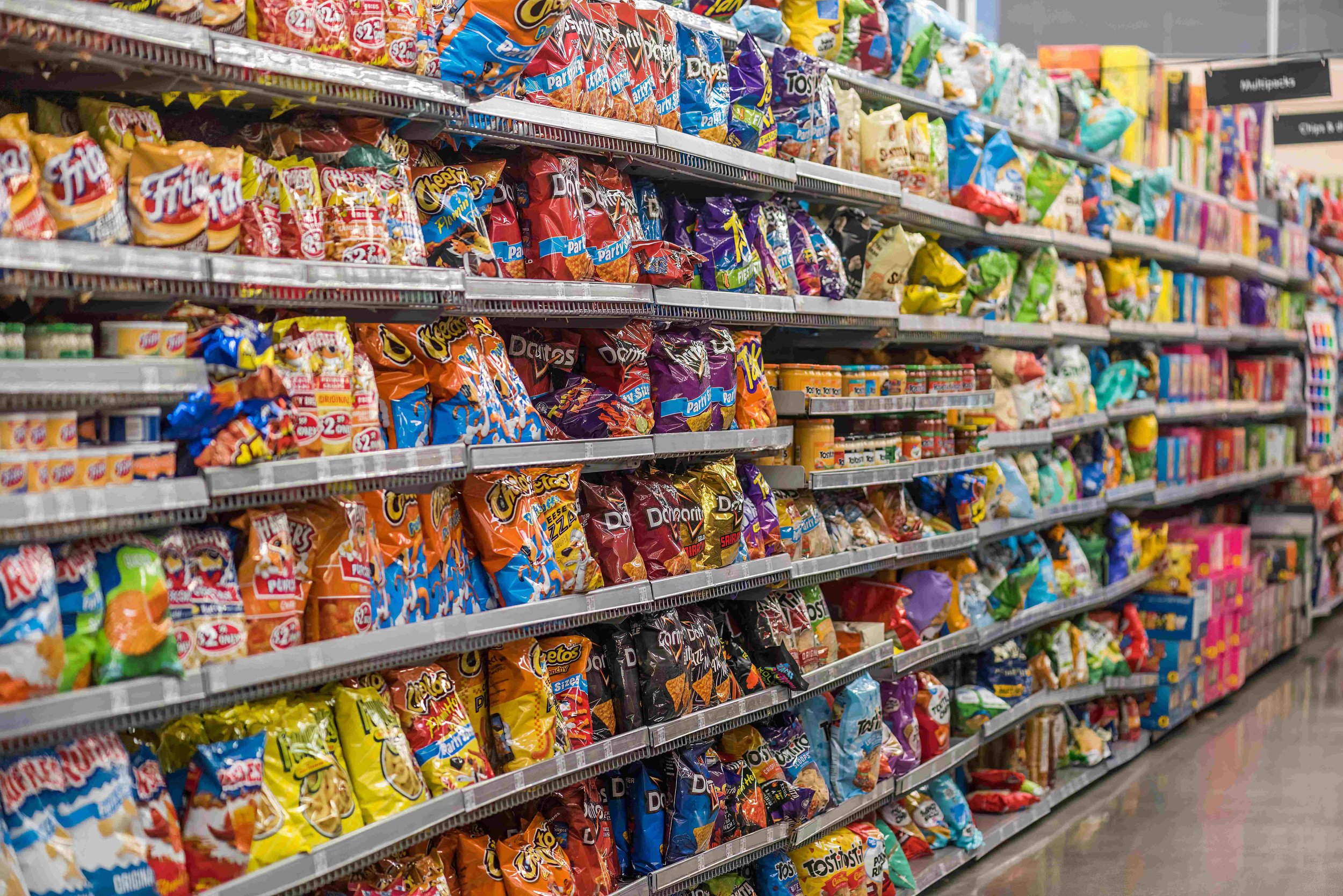

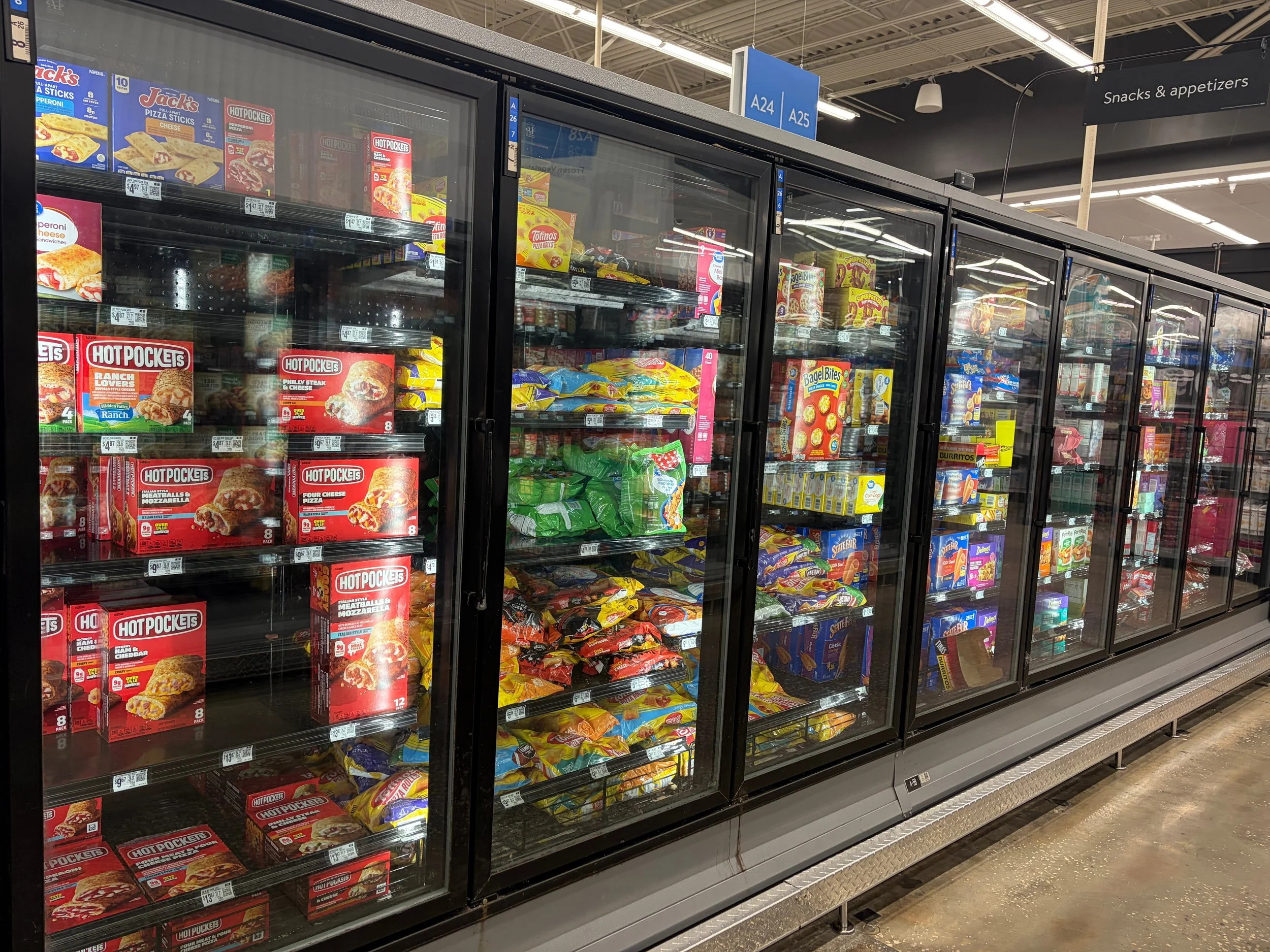
After the recent 60 Minutes segment on ultraprocessed foods, many Americans were left with a striking statistic:
According to the most recent CDC data, Americans consume more than 50% of daily calories from ultra-processed foods, and children consume nearly 60%.
That means more than half of what most Americans eat each day isn’t made from whole ingredients — but from industrial formulations designed for convenience, shelf stability, and hyper-palatability.
So what does that actually mean for your health? And more importantly — what can you realistically do about it?
What Counts as an Ultra-Processed Food?
Ultra-processed foods aren’t simply foods that have been cooked or frozen. They are industrial formulations typically made with refined starches, added sugars, seed oils, flavor enhancers, emulsifiers, and preservatives — ingredients rarely found in a home kitchen.
They’re designed to be convenient, highly palatable, and shelf-stable.
Common examples include:
Sugary breakfast cereals
Packaged snack foods
Sweetened beverages
Many frozen entrées
Fast food items
Processed meats
The issue isn’t just that these foods are convenient. It’s that they often displace nutrient-dense, fiber-rich, whole foods in the diet.
Why Does It Matter?
Research consistently links high consumption of ultraprocessed foods with:
Increased obesity risk
Type 2 diabetes
Cardiovascular disease
Poor metabolic health
Higher overall mortality
Ultra-processed foods are often engineered to be “hyper-palatable” — meaning high in sugar, salt, and refined fats in combinations that stimulate appetite and override natural satiety signals. They’re typically low in fiber and protein relative to calories, which can contribute to blood sugar swings and increased hunger.
The concern isn’t one specific ingredient. It’s the overall dietary pattern.
Ultraprocessed foods tend to:
Spike blood sugar
Promote over-eating
Disrupt appetite regulation
Provide calories without meaningful nourishment
It’s also important to note that not every food labeled “ultra-processed” is inherently harmful in isolation. Some packaged foods can still contribute meaningful nutrients. The concern arises when these products dominate the diet — crowding out vegetables, legumes, whole grains, lean proteins, and other whole foods that support metabolic health.
In contrast, whole foods and minimally processed meals provide fiber, micronutrients, healthy fats, and protein that support long-term health.
This is where the concept of food as medicine becomes critically important.
Food as Medicine: A Necessary Shift
“Food as medicine” isn’t a trend. It’s a return to fundamentals.
It means recognizing that what we eat influences:
Blood sugar regulation
Inflammation
Cardiovascular health
Energy levels
Body composition
Long-term disease risk
But knowing this and acting on it are two different things.
Because here’s the reality:
Many people aren’t choosing ultraprocessed foods because they want to.
They’re choosing them because they’re fast, convenient, and everywhere.
That’s the modern food environment.
So the solution isn’t guilt — it’s access to better options.
The Real Barrier: Convenience
When someone searches for “healthy prepared meals near me,” they’re usually not looking for a lecture. They’re looking for:
Time savings
Simplicity
Reliability
Food that tastes good
Nutrition they can trust
The truth is, convenience drives food decisions. If healthy food isn’t convenient, most people won’t sustain it.
That’s exactly why Healthy For Life Meals exists.
A Different Approach to Prepared Meals
Not all prepared meals are created equal.
Many national meal delivery companies rely heavily on:
Ultra-refined ingredients
Additives
High sodium
Limited vegetable and fruit variety
At Healthy For Life Meals, the approach is fundamentally different.
Our meals are:
Built around whole, recognizable ingredients
Balanced with lean proteins, fiber-rich carbohydrates, and healthy fats
Vegetable-forward
Portion-controlled
Designed for real, sustainable nutrition
We focus on minimally processed ingredients and balanced macros — not just convenience.
Because convenience shouldn’t come at the expense of health.
Medically Tailored Meals in a Processed World
For individuals managing chronic conditions — including diabetes, cardiovascular disease, metabolic syndrome, or those using GLP-1 medications — food quality becomes even more important.
This is where medically tailored meals can make a meaningful difference.
Instead of navigating grocery aisles filled with ultraprocessed options, fully prepared, medically aligned meals:
Support blood sugar stability
Emphasize lean protein and fiber
Reduce added sugars
Control sodium levels
Encourage consistent nutrient intake
For many clients, Healthy For Life Meals serves as a practical way to operationalize “food as medicine” — without having to cook every meal from scratch.
Small Shifts Matter
Eliminating every ultraprocessed food isn’t realistic for most families — and it doesn’t have to be.
But replacing even a few meals per week with nutrient-dense, balanced options can:
Improve energy
Support weight management
Reduce blood sugar volatility
Increase vegetable intake
Improve overall dietary quality
It’s not about perfection.
It’s about better patterns.
A Healthier Default
The modern food system is designed to push ultraprocessed products. That doesn’t mean we’re powerless — but it does mean the environment makes healthy choices harder than they should be.
If more than half of Americans’ calories are coming from ultraprocessed foods, it highlights how difficult the current food environment has become — and why convenient, nutrient-dense options matter.
When healthy meals become the easy option, better nutrition becomes the default — not the exception.
Real change doesn’t require perfection. It starts with a shift.
One meal at a time.
A Healthier Default Is Possible
The modern food system makes ultraprocessed foods easy. That doesn’t mean healthier options can’t be easy too.
If more than half of Americans’ calories are coming from ultraprocessed foods, it highlights how challenging the current food environment has become — and why convenient, nutrient-dense options matter.
When balanced meals are accessible and ready to eat, better nutrition becomes the default — not the exception.
Real change doesn’t require perfection.
It starts with a shift.
One meal at a time.
If you’re searching for healthy prepared meals near me that prioritize whole ingredients and nutritional balance, Healthy For Life Meals offers fresh, portion-controlled meals designed to support long-term health — not just convenience.