
Why Most People Are Eating for the Wrong Goals — And What to Do Instead
By Lizzie Streit, MS, RDN, LD
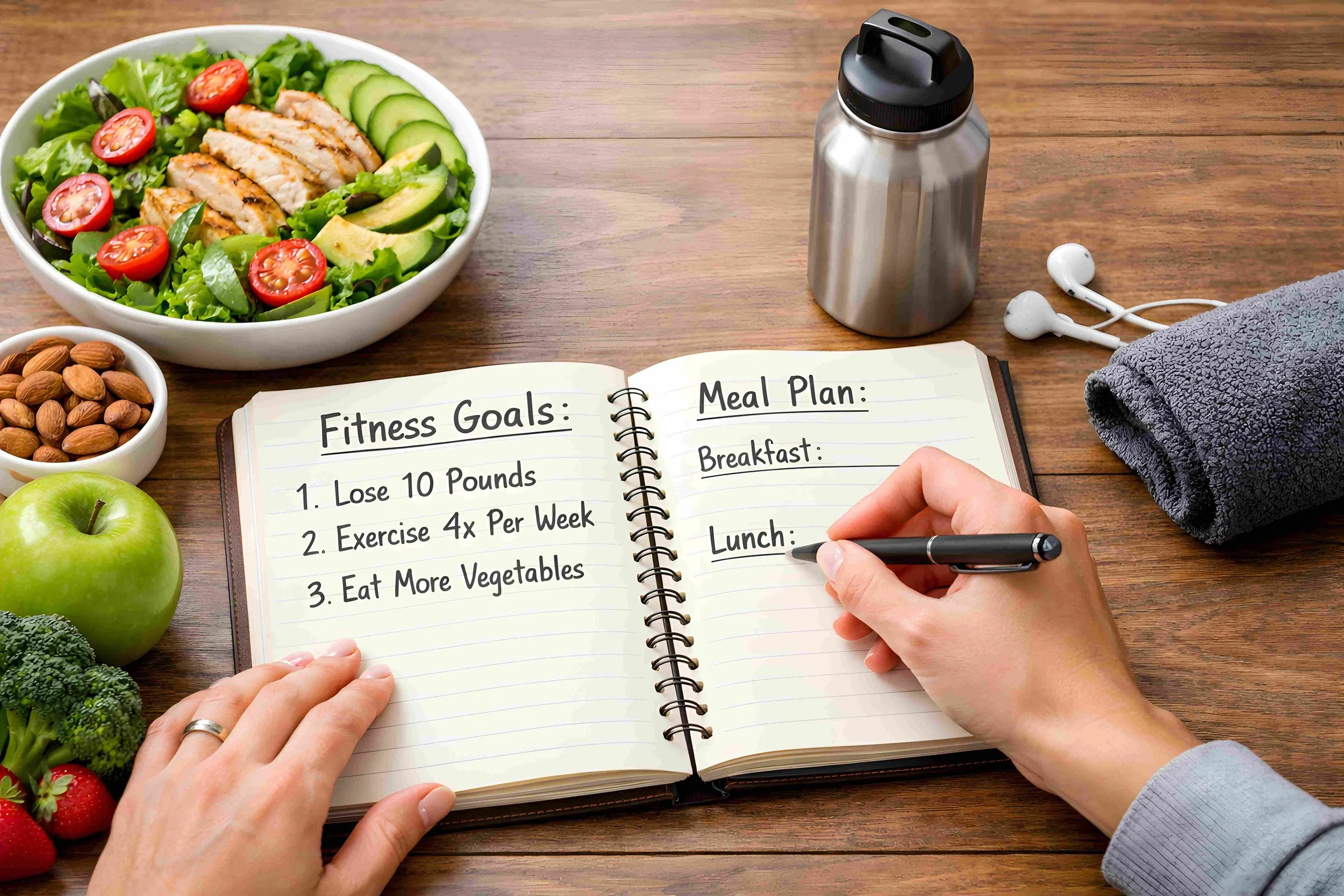
For many people, the urge to eat better and make dietary changes is driven by one goal: to lose weight. It’s often the reason why someone gets interested in healthy eating in the first place, and as a result, influences what outcomes are used to assess progress.
If weight loss is the main desire, it can be easy to focus on numbers—on the scale or in terms of calories, carbs, and protein at a meal—instead of daily habits. While weight isn’t meaningless, it’s not a behavior you can change. Shifting your goals to focus on what you can do each day to feel healthier is a more productive mindset that can support weight loss without making it the only objective.
Keep reading for five typical goals people make when focused on losing weight and how to reframe them for better results. These tips are especially helpful for those taking a GLP-1 medication or following a 1200 calorie diet or diabetic diet meal plan.
1 – “Eat less.”
“Eat less and move more” is one of the most well-known weight loss idioms. However, such an intense focus on eating fewer calories can prevent a well-balanced approach to healthy eating. Calorie counting may end up causing hunger, cravings, and overeating.
Instead, focusing on foods that are naturally low in calories and increase fullness can help prevent the pitfalls of obsessing over calories. Vegetables, fruit, legumes, whole grains, and lean protein offer plenty of staying power and essential nutrients. When you find yourself asking how you can eat less, switch gears and think about how you can make a meal more satisfying.
In other words, think about what you can add instead of take away. If you want a sandwich for lunch, add lettuce, tomato, and onion for fiber and nutrients. If you’re craving pasta for dinner, add a can of white beans, spinach, and garlic to make it more satisfying and nutritious.
2 – “Lose weight as fast as possible.”
It’s completely understandable to want to lose weight and to lose it fast. But losing too much too quickly may trigger muscle loss and/or slow down metabolism, leading to difficulties maintaining weight loss. Plus, fast weight loss often requires “crash” diets or extreme restriction that prevents you from getting the right amounts of vitamins, minerals, and other nutrients.
Slow progress, while frustrating, usually lasts longer than rapid weight loss and allows for the development of sustainable habits. Experts recommend a goal of losing one to two pounds per week, which can typically be accomplished by a calorie deficit of about 500 to 1,000 calories per day.
If you’re getting too caught up in what your scale reads every morning, consider shifting focus and adding a new healthy habit each week to support weight loss. Examples include eating breakfast consistently (instead of skipping meals), cooking at home five nights a week, keeping your fridge stocked with vegetables, and prioritizing protein at every meal and snack. If you’re on a GLP-1 medication, you may want to focus on eating enough, since reduced appetite may actually lead to too much of a calorie deficit. Aim for frequent small meals if you can’t eat too much in one sitting, and prioritize protein, fiber, and hydration.
3 – “Avoid ‘bad’ foods.”
With so many confusing nutrition recommendations in the media, it’s easy to label foods as good or bad and fall into black or white thinking. Maybe you avoid eggs after seeing a headline about their cholesterol content or restrict all animal fats in fear of developing clogged arteries.
This type of mindset may be hurting your weight loss goals more than you realize. Focusing on eating a well-balanced diet made up primarily of vegetables, lean proteins, fruit, whole grains, nuts, and seeds typically leads to a reduced intake of less nutritious choices without thinking too much about it.
If you pay too much attention to what foods are forbidden, the more tempting they may feel. Instead, let go of the idea that certain foods can’t fit into your diet. At the end of the day, any food can be incorporated into a healthy diet, as long as the majority of your intake is made up of nutritious options.
4 – “Be perfect.”
An all-or-nothing mindset is especially detrimental to weight loss goals. Occasional indulgences, such as dessert or an extra glass of wine, are not going to ruin your healthy eating progress in the same way missing one workout doesn’t erase months of exercise.
Change your attitude to focus on being consistent instead of perfect, and let go of the mentality that every choice needs to support the sole objective of dropping the number on the scale. This means eating mostly balanced meals but allowing for flexibility when your friend serves your favorite dessert or your family wants to go out for ice cream.
If you take the time to build healthy habits, they will be easy to return to as your “regular” routine. Start with one or two changes, such as swapping your afternoon candy bar for a balanced snack and walking every evening after dinner, and work up from there.
5 – “Eat to change your appearance.”
Just like obsessing over the number on the scale, focusing too much on physical appearance can take away from what really matters. Wanting to lose weight and fit into your clothes is absolutely a valid goal, but it doesn’t happen overnight. Focusing on all of the other benefits of healthy eating while you make progress can help you appreciate your successes without getting discouraged before physical changes occur.
Eating a more nutritious diet can boost energy and mood, improve digestion, make you sleep better, and stabilize blood sugar levels. These immediate wins help maintain motivation that will keep you going in the long run.
If tracking your progress is important to you, consider monitoring goals unrelated to weight, such as the following. Use a calendar, journal, or phone app to track how you’re doing in lieu of pulling out the scale.
· Did I eat vegetables today?
· Did I include protein at every meal?
· Did I drink enough water?
· Did I eat slowly?
· Did I stop when comfortably full?
· Did I include fiber?
· Did I cook at home?
· Did I eat breakfast?
The Bottom Line
When it comes to weight loss, many people chase a number on the scale and end up feeling discouraged when weight doesn’t drop off as quickly as they’d like. Changing focus to creating sustainable habits that help you feel satisfied, have more energy, and nourish your body often leads to more success.
Healthy For Life Meals can help make those healthy choices easier. Our nutritionally balanced, portion-controlled meals take the guesswork out of meal planning and preparation, making it simpler to stay consistent—even on your busiest days. When healthy habits become convenient, they're much easier to stick with, and that's what leads to lasting success. Get started today and get $20 off your first order with code: TryHFLM.